Wondering whether a Colonial or a Cape fits you best on Long Island’s South Shore? Both styles are common here, and each offers a distinct way of living, from room flow to renovation paths and upkeep. If you plan to tour in Merrick, Bellmore, Wantagh, or nearby communities, a quick side-by-side can save you time and help you focus on the right homes. In this guide, you’ll learn how each style lives, what to expect for additions, and how coastal factors like flood risk and moisture play into your decision. Let’s dive in.
Colonial vs Cape at a glance
Colonial
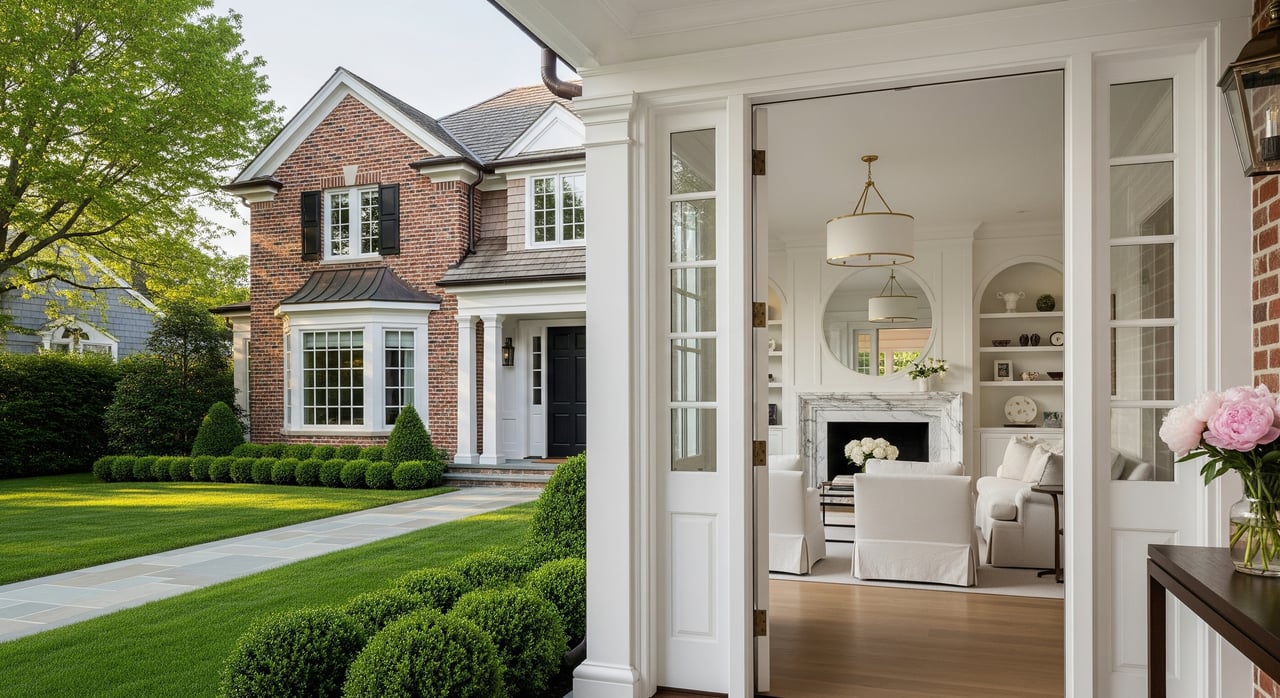
- Two full stories, often with a center-hall layout.
- Formal separation of rooms on the main level.
- Typically easier to add bedrooms upstairs without changing the roof structure.
Cape
- One to one-and-a-half stories with a steep roof and dormers.
- Cozier scale with much of the living on the main level.
- Upper level is a half story under the roof, so headroom and eaves shape usable space.
What you’ll see on tours
Exterior and curb appeal
- Colonial: Expect a symmetrical façade with a central door and evenly spaced windows. Roofs are usually gable or sometimes hipped. Exterior materials range from brick to clapboard to vinyl siding.
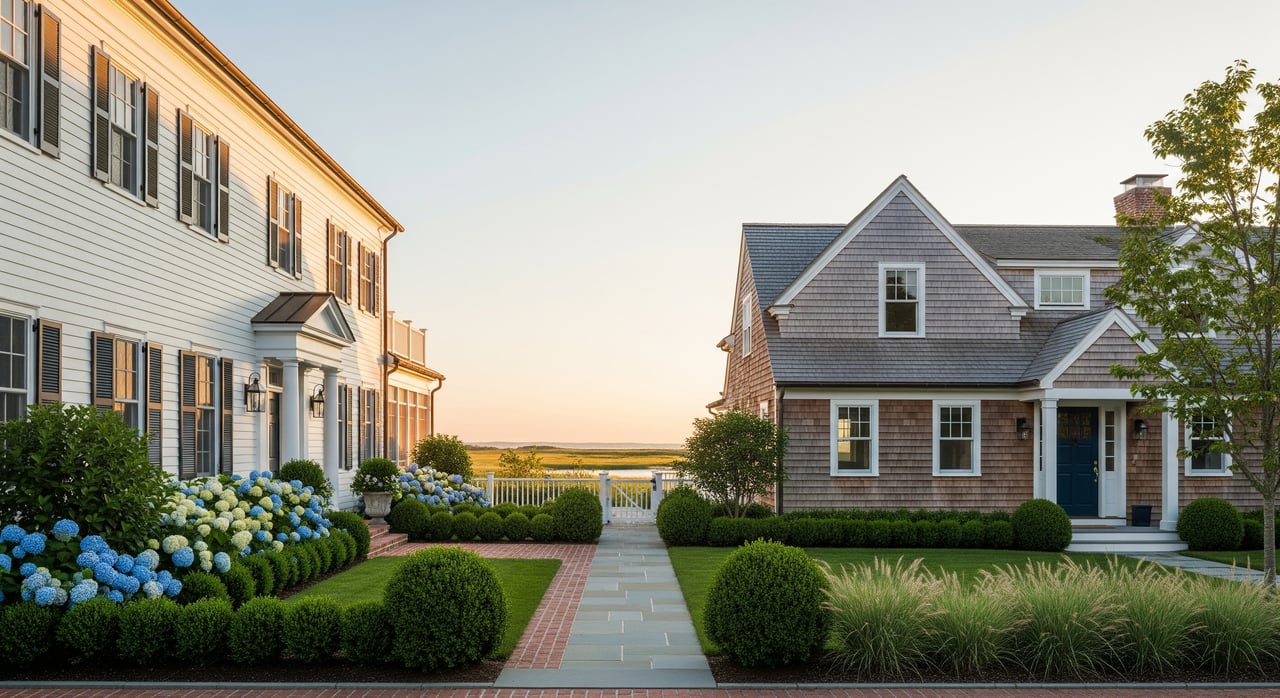
- Cape: Lower profile with a steep gable roof and dormers that bring light and headroom upstairs. Wood shingles or clapboard are classic, and some homes feature a centered chimney.
Layout and daily flow
- Colonial: The first floor often includes a formal living room, dining room, and kitchen, with bedrooms upstairs. A center staircase and hall increase separation between spaces, which many buyers like for privacy and noise control.
- Cape: Original Capes often have main-level living plus a finished half story above. Many were later dormered or expanded to add bedrooms and a full bath. Expect lower ceiling heights upstairs and floor space that tucks under the eaves.
Basements and garages
- Colonial: Full basements are common, though South Shore moisture can require extra attention. Attached or integral garages appear frequently, and over-garage expansions are a typical upgrade.
- Cape: You may see detached garages, smaller basements or crawlspaces, and later garage additions. If there is a crawlspace, check for signs of encapsulation or moisture control.
Space and storage realities
- Colonials generally deliver more full-height bedrooms upstairs, which helps households that need three to five bedrooms without structural changes. Closet space can be better integrated into full-height walls.
- Capes can feel cozy and efficient, especially for first-time buyers or downsizers who prefer a smaller footprint. The upstairs half story means knee walls and sloped ceilings shape furniture placement and storage.
Expansion and renovation potential
If you buy a Colonial
- You often gain straightforward bedroom or bath expansion on the second floor without raising the roof.
- Over-garage additions and modest bump-outs are common ways to add square footage.
- Existing second-floor ducting can reduce HVAC rework compared to creating a new full second story in a Cape.
If you buy a Cape
- The most common path is adding rear or side space at the first floor, or dormering to increase headroom and usable area upstairs.
- Converting to a full second story is possible but usually more involved and costly since it requires structural work.
- If you plan a full raise in a mapped flood zone, costs can rise because elevation work and structural changes must meet flood-resilient standards.
Permits and floodplain rules
- Any addition or structural change requires permits and zoning compliance for setbacks, height, and lot coverage. In Merrick and Wantagh, the Town of Hempstead regulates these standards. Rules can differ by street, so verify specifics before you design or bid out a project.
- In Special Flood Hazard Areas, you may need to meet elevation standards for major renovations. Check your address on the FEMA Flood Map Service Center early to understand requirements.
Flood and coastal factors to weigh
- Flood risk and insurance: If a property lies in a FEMA A, AE, or V zone, lenders typically require flood insurance. Premiums and policy options can affect your monthly budget and your long-term plans. You can review how coverage works on FEMA’s page about flood insurance under the NFIP.
- Elevation certificates and history: Ask for the elevation certificate if available and request details on any prior flood claims. These are important for both due diligence and insurance.
- High water table and drainage: The South Shore’s groundwater and sandy soils mean basements and crawlspaces demand careful moisture management. Look for sump pumps, perimeter drains, waterproofing, and signs of past hydrostatic pressure like efflorescence or staining.
- Salt and wind exposure: Salt air can speed corrosion and wear on exterior metals, flashing, and HVAC components. Plan on more frequent inspections of siding, roofing, and exterior trim.
Maintenance and energy efficiency
- Roofing: Capes shed snow well due to steep pitches, but dormers add more flashing and seams to maintain. Colonials have larger roof planes that need routine inspection and attic ventilation.
- Siding and trim: Traditional wood shingles or clapboard look great but need consistent upkeep near the shore. Vinyl and composites are lower maintenance, though salt exposure still calls for periodic checks.
- Insulation and comfort: Older Capes and Colonials can be under-insulated, especially at attics, knee walls, and rim joists. Upgrading insulation and air sealing can noticeably improve comfort and energy costs. See ENERGY STAR guidance on air sealing and insulation for project ideas to discuss with your contractor.
- HVAC updates: Many older South Shore homes use boilers or oil heat. Converting to high-efficiency systems or adding proper second-floor distribution is a common upgrade that can be easier in a Colonial with existing second-floor duct runs.
Which style fits your lifestyle
Choose a Colonial if you:
- Want more full-height bedrooms and a traditional two-story layout.
- Prefer defined spaces for living, dining, work, and play.
- Plan to add square footage above a garage or reconfigure upstairs rooms.
Choose a Cape if you:
- Prefer a smaller footprint with most daily living on the main level.
- Like a lower-profile home with a cozy feel and efficient use of space.
- Expect to add space through dormers or a modest rear addition rather than a full second-story build.
What to look for on a tour
- Flood status: Ask the listing agent for the FEMA map zone and any elevation certificate, and note past flood claims.
- Basement or crawlspace: Look for active sump pumps, moisture signs, dehumidifiers, and any encapsulation work.
- Roof and dormers: Check roof age, flashing at dormers, and attic access where possible.
- Siding and exterior trim: Scan for rot, corrosion, and sealant condition in salt-exposed areas.
- HVAC and electrical: Note fuel type, system age, and whether second-floor heating and cooling feel adequate. Ask the age and capacity of the electrical service.
- Additions and permits: For dormered Capes or expanded Colonials, ask about permits and how the addition was integrated structurally and thermally.
- Style-specific checks: In Capes, confirm headroom and egress in upstairs bedrooms. In Colonials, look for transitions where additions meet the original structure.
Resale considerations
- Demand patterns: Colonials often command a higher price per square foot in family-oriented neighborhoods due to bedroom count and full-height second floors. That said, a well-renovated Cape with dormered bedrooms and an updated kitchen can compete strongly.
- Flood-smart construction: Elevated homes or those built to flood standards can have resale advantages in flood-prone areas. Documentation such as elevation certificates and insurance history matters.
Your next steps in Merrick–Wantagh
- Map your must-haves: Decide how many full-height bedrooms you need and how you prefer to live day to day. That alone can point you toward a Colonial or a Cape.
- Check the address on FEMA maps: Use the FEMA Flood Map Service Center to understand flood zone implications before you get too far.
- Call the local building department early: If you plan to renovate, confirm setbacks, lot coverage, and height limits before you design. This is essential in coastal neighborhoods where lot coverage can be tight.
- Line up coastal-savvy contractors: If you expect any structural changes or elevation work, seek contractors experienced with floodplain and coastal standards.
If you want a clear plan tailored to Merrick, Bellmore, or Wantagh, reach out. You will get practical guidance on style fit, neighborhoods, and a tour strategy that accounts for flood maps, permits, and renovation options. Connect with Elaine Richheimer to schedule a consultation and compare Colonial and Cape homes with confidence.
FAQs
What are the main differences between Colonials and Capes on the South Shore?
- Colonials have two full stories with more full-height bedrooms and formal room separation, while Capes are one to one-and-a-half stories with a steep roof and dormers that shape upstairs headroom and storage.
How does flood risk affect buying a Colonial or a Cape?
- In mapped FEMA flood zones, lenders typically require flood insurance, and major renovations may trigger elevation requirements, so always check an address on the FEMA Flood Map Service Center and review any elevation certificate or claim history.
Is it easier to add bedrooms to a Colonial or a Cape?
- Colonials often make bedroom additions simpler because the second floor already has full-height space, while Capes may need dormers or a roof raise for comparable headroom.
What maintenance issues should I expect near the coast?
- Plan for vigilant moisture control in basements and crawlspaces, regular inspections of roofing and dormer flashing, and extra attention to siding, trim, and metals due to salt exposure.
Do Colonials usually sell for more than Capes in Merrick and nearby towns?
- Colonials often command a price premium per square foot because of bedroom count and full-height layouts, though well-renovated Capes with dormers and modern updates can compete effectively.
What permits do I need for additions in Town of Hempstead?
- You will need building permits and must meet local zoning for setbacks, height, and lot coverage, and if the property is in a flood zone, additional floodplain requirements may apply, so verify specifics with the building department before planning work.