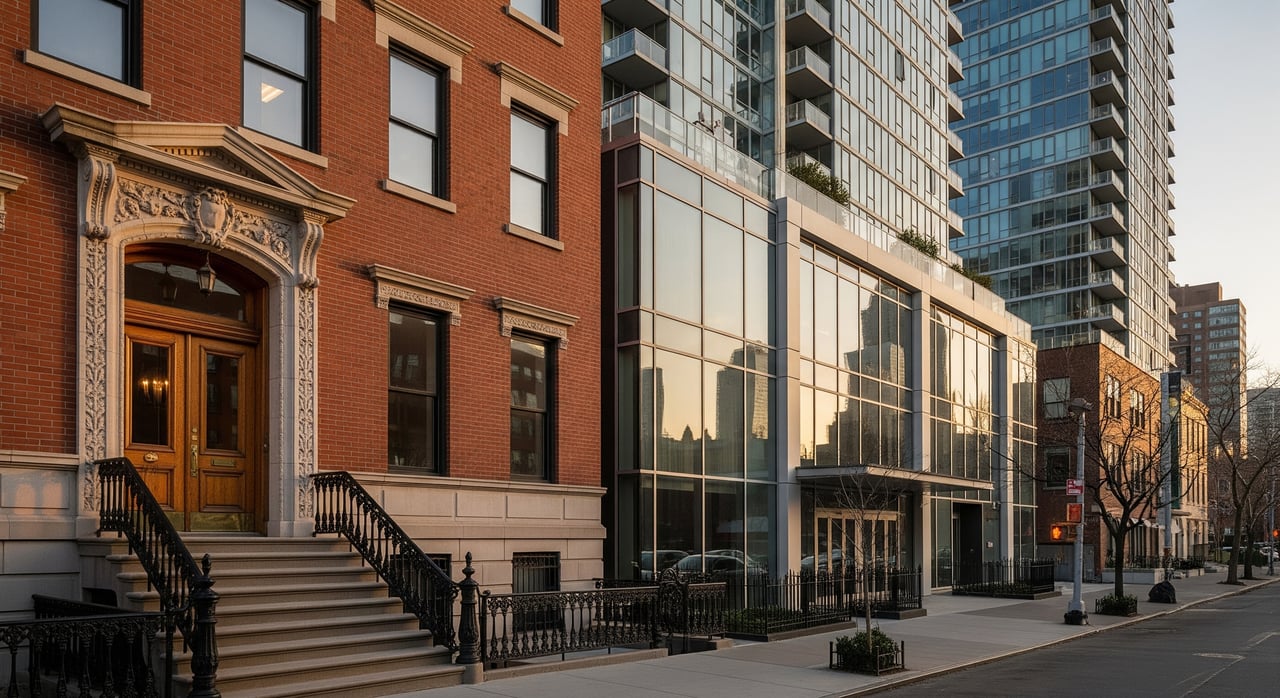
Staring at two listings you love in Queens, but one is a co-op and the other a condo? You’re not alone. The differences can feel confusing when all you want is the right home at the right price. In this guide, you’ll learn how co-ops and condos differ in ownership, financing, monthly costs, board rules, and resale so you can move forward with confidence. Let’s dive in.
Co-op vs condo basics
How ownership works
In a condo, you receive a deed to your individual unit and an undivided share of the building’s common areas. It’s real property ownership recorded in the county records.
In a co-op, you buy shares in a corporation that owns the building. Your shares come with a proprietary lease that gives you the right to live in a specific unit. You own stock in the corporation rather than a deed to real property.
What this means day to day
- Financing: Condo buyers use a conventional mortgage secured by the unit. Co-op buyers use a “share loan” secured by the shares and proprietary lease. Lenders underwrite these differently, and co-op loans can have stricter criteria.
- Taxes: Condo owners pay their own property tax bills. In co-ops, the corporation pays building taxes and any building-level mortgage, then allocates each shareholder’s portion through the monthly maintenance. Shareholders often receive a statement of their share of taxes and building mortgage interest for tax reporting. Consult a tax professional for your situation.
- Building governance: Both have boards, but co-op boards have greater control over who buys and how the building operates. Condo boards manage common areas and enforce bylaws but typically have less power to deny buyers outright.
Financing and down payments in Queens
- Typical down payments: Many Queens co-ops require larger down payments, commonly in the 20 to 25 percent range, and some buildings require more depending on building rules and finances. Condos often allow lower down payments, sometimes 10 to 20 percent, subject to lender and building approval.
- Loan products: You’ll generally find more lender options for condo mortgages than for co-op share loans. Some national lenders do not offer co-op loans, so buyers often use local or specialty lenders.
- FHA/VA: FHA and VA financing appears more frequently with condos if the building is approved. Most co-ops are not FHA/VA approved, which can steer low down payment buyers toward condos.
- Closing timelines: Condos often close faster because the process is a standard title transfer and lender underwriting of the unit, commonly about 30 to 60 days with financing. Co-ops usually take longer because of board package review and interviews, commonly about 45 to 90 days.
What to do next:
- Get pre-approved with a lender that regularly finances the property type you’re targeting.
- Ask early about a co-op’s financial requirements, including post-closing liquidity and debt-to-income guidelines.
- Retain an attorney experienced with Queens co-op and condo closings to review building documents and keep timelines on track.
Monthly costs and assessments
Co-op maintenance
Your co-op maintenance payment typically covers the building’s real estate taxes, building-level mortgage interest if any, building staff and insurance, utilities for common areas, and reserve contributions. Because taxes are wrapped into maintenance, your monthly line item can look higher than a condo’s common charges even when the overall cost is comparable.
Condo common charges and taxes
Condo owners pay monthly common charges for building operations and reserves, plus a separate property tax bill for the unit. Mortgage interest and property tax deductions are handled at the individual owner level. Amenities such as a gym, doorman, or pool often raise common charges.
What drives cost differences
- Building age and condition
- Staffing levels and amenities
- Utilities included
- Reserve fund strength and upcoming capital projects
- Presence of an underlying mortgage in co-ops
Special assessments
Both co-ops and condos can levy special assessments to fund capital work or unexpected costs. Boards publish budgets and financial statements, and meeting minutes may reference planned projects. Review these before you commit.
Boards, rules, and approvals
Co-op board packages
Co-op boards typically require a full application package. Expect to provide tax returns, bank and investment statements, employment verification, reference letters, a net worth statement, and evidence of post-closing liquidity. Boards can interview buyers and have the right to reject applicants, which makes complete, well-prepared packages important.
Condo applications
Condo approvals are usually more streamlined. You may submit an application, background checks, and proof you are current on fees. Many condos do not require an interview or as deep a financial review as co-ops, though individual buildings can vary.
Common building rules
- Subletting: Co-ops often restrict or limit subletting. Condos are generally more flexible, but rules still apply and may include registration or approval.
- Short-term rentals: Many buildings restrict short-term rentals, and local laws apply. Verify building rules and compliance.
- Pets and renovations: House rules set policies for pets and alterations, including approval procedures and contractor requirements.
- Flip taxes and transfer fees: Many co-ops charge a flip tax or transfer fee upon sale, paid by the seller or buyer depending on building rules. Condos may have transfer fees. City and state transfer taxes also apply.
Resale and market fit in Queens
Buyer pool and liquidity
Because co-ops have tighter financial reviews and fewer government-backed loan options, their buyer pool can be smaller. This may affect time on market and pricing. Condos tend to attract a broader range of buyers, including investors and purchasers using FHA or VA financing, which can increase liquidity.
Neighborhood patterns
You’ll find many established co-op buildings in Astoria, Jackson Heights, Sunnyside, Woodside, Forest Hills, and Kew Gardens. These often offer approachable entry points compared with newer condo inventory. Condo development has grown in areas like Long Island City and parts of Flushing, where new buildings with modern finishes and amenities are common. Demand can be strong in these transit-oriented pockets, but pricing and velocity vary by building quality and supply.
When comparing listings, focus on building-specific factors like reserve strength, planned projects, owner-occupancy percentage, and rules that may affect resale and future flexibility.
Quick buyer checklist
- Confirm your financing path and obtain a pre-approval tailored to co-ops or condos.
- Review building documents before you are fully committed:
- Co-op: proprietary lease, bylaws, house rules, minutes, 2 to 3 years of financials, flip tax rules, sublet policy, and details of any underlying mortgage.
- Condo: offering plan, declaration and bylaws, budget, recent board minutes, and a status letter.
- Verify the policies that matter to you: pets, subletting, renovations, and short-term rentals.
- Analyze monthly costs: what maintenance or common charges cover, separate tax obligations for condos, reserve fund health, and current or planned assessments.
- Prepare a complete co-op board package in advance if you plan to buy in a co-op.
- Work with an attorney experienced in Queens apartment transactions.
- Plan for timelines: co-ops usually take longer than condos.
- Consult a tax professional about potential deductions and pass-through allocations.
Which is right for you?
Choose a co-op if you value community standards, do not plan to rent out the unit soon, and are comfortable with a thorough review process and potentially higher equity at purchase. Many buyers appreciate the value and stability co-ops can offer in established Queens neighborhoods.
Choose a condo if you want more flexibility with subletting, need a lower down payment option, or plan to use FHA or VA financing. Condos can also appeal if you prefer a faster closing timeline or want newer construction with contemporary amenities.
The best choice is the building that fits your financing, timeline, lifestyle, and long-term plans. Comparing a co-op’s maintenance to a condo’s common charges plus property taxes will help you see your true monthly picture. Looking closely at board rules, reserves, and planned work will help you protect resale value.
Ready to compare specific buildings and run the numbers side by side? Reach out to Elaine Richheimer for a clear, step-by-step plan and local guidance tailored to your goals.
FAQs
In Queens, is a co-op or a condo cheaper to buy?
- Older co-ops often have lower purchase prices than newer condos, but compare total monthly costs since co-op maintenance typically includes taxes while condos have common charges plus a separate property tax bill.
How long does closing take for co-ops vs condos in Queens?
- Condos commonly close in about 30 to 60 days with financing, while co-ops often take about 45 to 90 days due to board package reviews and interviews.
Can I rent out my Queens apartment later?
- Many co-ops limit or restrict subletting, while condos are generally more flexible. Always confirm the building’s current policy before you buy.
What documents should I review before I purchase in Queens?
- For co-ops, review the proprietary lease, bylaws, house rules, financials, minutes, and flip tax rules; for condos, review the offering plan, declaration and bylaws, budget, minutes, and status letter.
Do condos appreciate faster than co-ops in Queens?
- Appreciation depends on neighborhood, building quality, reserves, and market supply. Newer condos in growth areas have seen strong demand at times, but results vary by building.